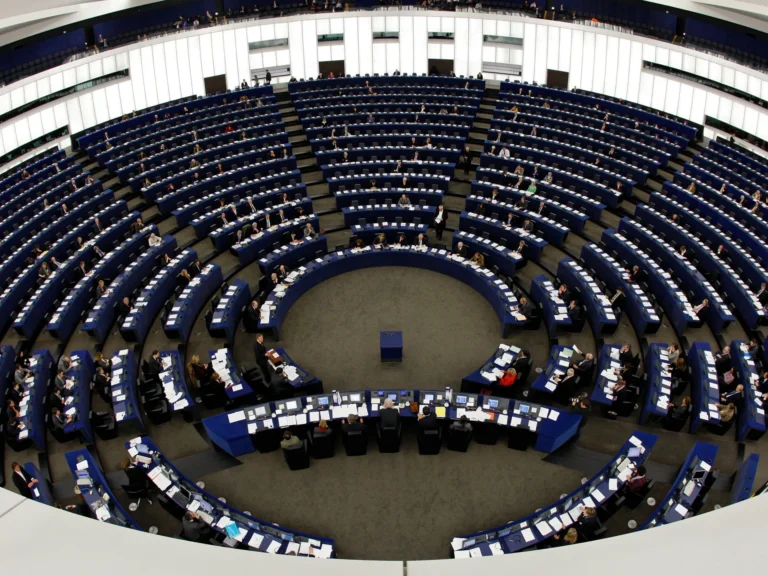
Brussels – Belgium — In a prominent and strategic maneuver, the European Parliament is moving toward reviewing and dismantling its long-standing reliance on “Google” as the default search engine across its core digital internal systems and networks. This sovereign reassessment mirrors a widening and calculated European commitment to cementing regional digital sovereignty and stimulating robust competition within a technology market historically dominated by massive American multinational corporations.
Mitigating Dependency on Global Platforms and Encouraging Local Innovation
These systemic evaluations and operational overhauls are unfolding within a broader, more rigorous institutional campaign led by European Union bodies to mitigate absolute technological dependency on a tight cluster of global digital platforms. Concurrently, the campaign aims to accelerate the deployment and domestic integration of alternative software frameworks that fully conform to strict European benchmarks governing data protection, consumer privacy, and digital transparency.
According to certified European diplomatic and technical reports, parliament is actively studying the feasibility of pre-installing alternative search engines as the default configuration on all official hardware and internal wired or wireless infrastructures. This model aims to grant staff, policymakers, and members of parliament full freedom to choose the search dynamic that aligns with their professional requirements, upending the automated, systematic deployment of Google, which has historically cornered the lion’s share of the international search market.
Enforcing Digital Markets Regulations and Dismantling Monopolistic Behaviors
European officials and regulatory architects assert that diversifying digital options within legislative arenas directly fosters healthy market friction and equips European tech startups and local developers with authentic opportunities to scale and innovate. Furthermore, this structural shift shields public institutions from cyber and operational vulnerabilities linked to a total reliance on a single, foreign provider for mission-critical digital pipelines. This strategic reassessment materializes alongside the European Union’s aggressive enforcement of groundbreaking legislative statutes calibrated to govern Big Tech operations—most notably the Digital Markets Act (DMA) and the Digital Services Act (DSA)—both engineered to suppress anti-competitive monopolies and preserve consumer rights within the shared digital ecosystem.
Simultaneously, the continuous harvesting of personal data and its commercial weaponization for behavioral and programmatic advertising fuel tense, ongoing geopolitical debates within European political circles. Multiple regional coalitions are advocating for an accelerated transition toward platforms and search utilities that offer consumers absolute ownership over their digital footprints and personal records. In this regard, system analysts point out that any prospective decision to strip Google of its default status inside the European Parliament does not equate to an outright ban or prohibition of its use. Rather, it serves to re-engineer equilibrium within a skewed digital marketplace, carving out operational space for emerging, privacy-first search engines designed to block user tracking and safeguard individual anonymity. This policy vector is poised to trigger seismic ripples across the global tech theater, given the immense regulatory, legislative, and political gravity the European Parliament commands worldwide, and the high probability that its structural decisions will set precedents for sovereign governmental bodies across Europe and global markets in the coming years.